
Discover financial empowerment resources
Discover financial empowerment resources
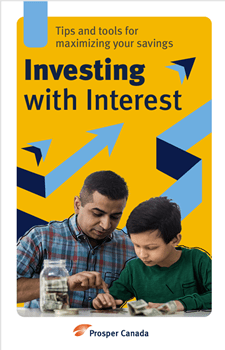
People save for different reasons. For instance, you may want to save for emergencies, or for your children’s education, or for your old age. Having goals for your savings helps to keep you motivated. You sleep better knowing you have some money set aside. Saving accounts earn interest. That...
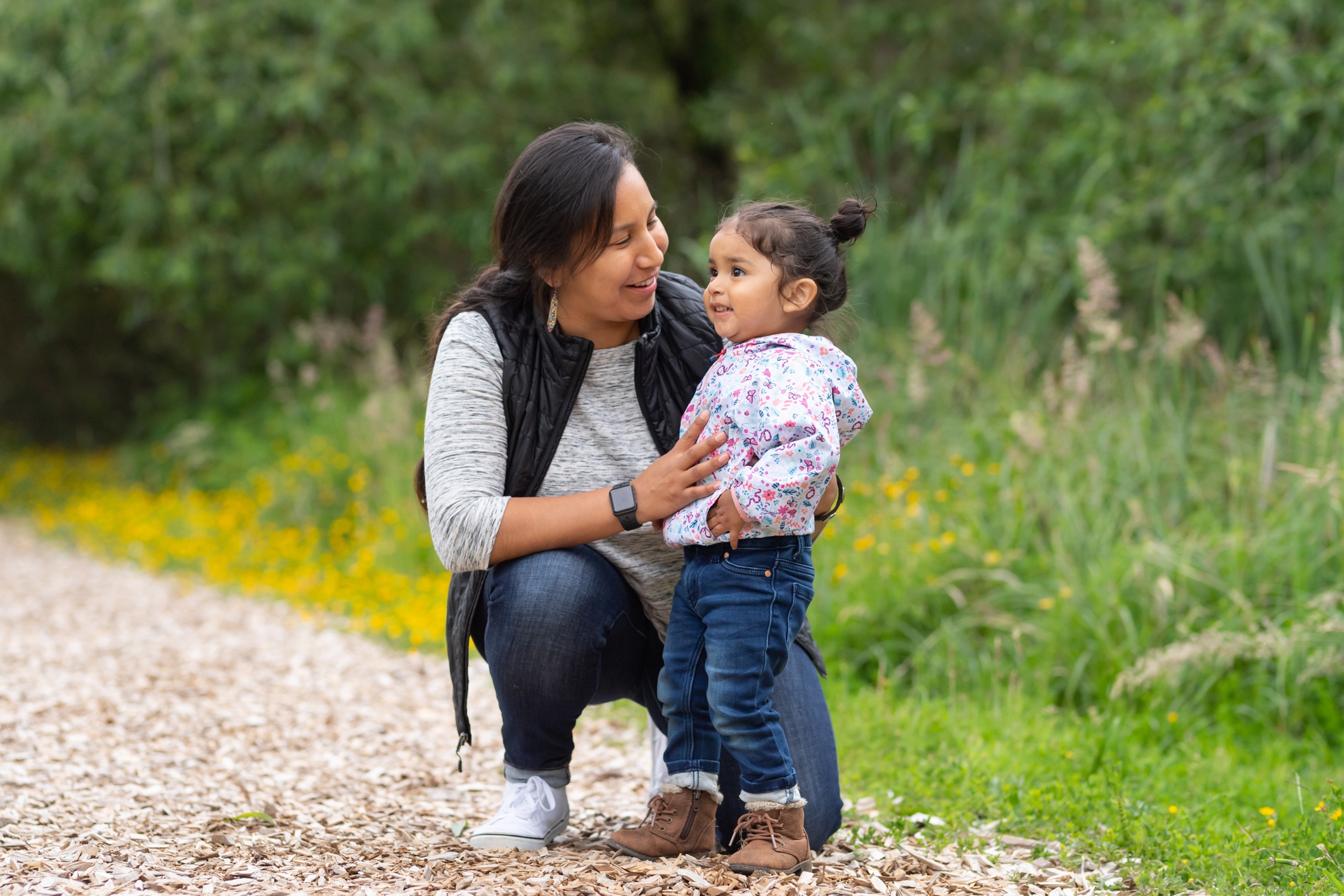
This webinar will present evaluation findings from Phase Two (2023–2025) of the Building Financial Wellness in First Nations (FWFN) Project. Participants will learn about the reach, outcomes, and impacts of culturally grounded, community-based financial empowerment services. Services were...
Developed under the academic leadership of Dr. Bonnie-Jeanne MacDonald and Senior Researcher He Chen, the COA Calculator is a free online tool that explores how typical retirement costs — including food, housing, transportation, health and care, and other expenses — vary based on real-life...
In this podcast episode, Simon Brascoupé introduces “Braiding Mind, Body, and Spirit,” a culturally relevant financial wellness resource developed with Prosper Canada and the Aboriginal Financial Officers Association of Canada. Using the braiding metaphor, the resource addresses Mind...

Every year, thousands of people in Canada miss out on tax benefits that can significantly increase their income or reduce the amount they owe. For people living on a low income, filing a tax return can mean thousands of dollars more. Check out these resources -- infographics, posters, and social...

This article shares stories from Amadeusz, an organization that works with people who are incarcerated to further their high school and post-secondary education. Learn about how experiences with the education system are deeply connected with basic needs for housing, income, and social...
What would it take to eliminate poverty in Canada by 2030? The 2030 Project explores why poverty persists, and what we can do about it. This podcast is a special mini-series dedicated to the new Canada Disability Benefit. This is a Story Studio Network podcast sponsored by Daily Bread Food Bank,...
There’s more to the college affordability crisis than the mere fact of debt. “You know, 80% of people with student debt say it causes them to delay things like getting married, buying a house, having kids,” says Aaron Kuecker, president of Trinity Christian College. “Two-thirds of folks who...
Receiving a lump sum of money can be overwhelming to some people. Careful planning can help you make the most of your money. Here are some ways to financially prepare for your compensation in the First Nations Child and Family Services and Jordan’s Principle Settlement. Watch the...
From 2019 to 2022, among Indigenous people aged 18 years and older, 54.3% of Inuit reported having a regular healthcare provider, along with 81.4% of First Nations people living off reserve and 84.5% of Métis. This is compared with 85.7% of the non-Indigenous adult population. Released...
The COVID-19 pandemic and post-pandemic recovery were “feast and famine” for the budgets of low-income families and individuals across Canada. Because of the income support programs put in place to help Canadians affected by workplace shutdowns, the poverty rate fell to 6.4% in 2020, down by...
In 2024, close to half of First Nations people living off reserve (45%) and Métis (44%), and more than half of Inuit (54%) (all aged 15 years and older) reported that it was "difficult" or "very difficult" in the 12 months preceding the survey to meet their financial needs in terms of...
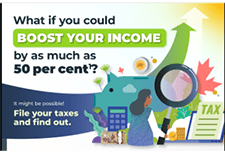
This infographic provides a helpful visual summary of tax benefits that can add to income or reduce the taxes people in Canada pay when they file their tax return. The information is especially useful for people in Canada who: Are working or living on a low income; Live with a...
The Canada Disability Benefit website is managed by Plan Institute, a national non-profit organization based in Burnaby, BC. The purpose is to provide individuals, families, and professionals across Canada with up-to-date information and resources on the Canada Disability Benefit (CDB). Their...
This year marks the 35th anniversary since the passing of the unanimous all-party federal resolution to end child poverty in Canada by the year 2000. Using tax filer data from 2022, the latest available, this year’s report card found a troubling trend: child poverty increased at record rates two...

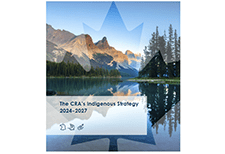
The CRA's Indigenous strategy takes inspiration from the United Nations Declarations on the Rights of Indigenous Peoples and contributes to the Government of Canada’s efforts to advance reconciliation. It presents an integrated approach to improve trust and ensure that our services are...
In partnership, Daily Bread Food Bank and North York Harvest Food Bank have released Who’s Hungry 2024 – an annual profile of poverty and food insecurity in the City of Toronto. In the last year, there were 3.49 million client visits to Toronto food banks – nearly 1 million more visits...
In this 8th episode of the "What the Food?!" webinar series, we hear from Randy Hatfield, Executive Director at the Saint John Human Development Council about affording food in today's economy - the living wage vs minimum wage, the Consumer Price Index, rental rates and the salary requirements to...
The executive summary on the progress of Opportunity for All- Canada's First Poverty Reduction Strategy identifies the availability and affordability of safe and suitable housing, the ever-increasing cost of feeding one's family, the long hours and low wages of work to barely keep your head above...
The CRA has put together a website for what Indigenous Peoples should know about the tax return they send to the Canada Revenue Agency (CRA), and how that return can result in various benefit payments. This includes information on tax exemption and who is eligible. There is also information on...
The Office of the Investor at the Canadian Investment Regulatory Organization (CIRO) engaged with Innovative Research Group to conduct the organization’s first national investor survey. The objective of this general population (and particularly investors) survey research is to help CIRO better...

Individuals with lower incomes may face a range of economic challenges and barriers to upward mobility. Two types of services that may both contribute to the goal of improving individuals’ financial situations are employment and training (E&T) services, which have the goal of improving...

This 60-minute webinar for frontline practitioners, social service providers, and funders shares insights from a two-year project designed to help build financial wellness in isolated and rural First Nation communities in Manitoba and Ontario. Partnerships between First Nation communities and...

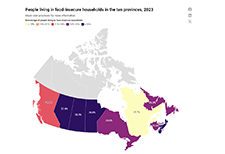
In 2023, 22.9% of people in the ten provinces lived in a food-insecure household. That amounts to 8.7 million people, including 2.1 million children, living in households that struggled to afford the food they need. With another year of rising food insecurity, the percentage of people affected is...
Through well-timed and thoughtful updates to their employee savings program, the number of Best Buy employees participating in the savings program increased from 4,500 to more than 7,000 and employees’ savings grew $1.5M. Interventions included enhancements to the program marketing content,...